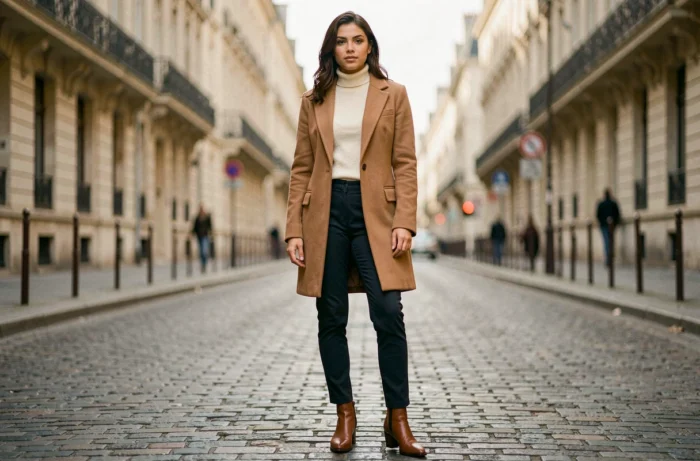
A fashion trend refers to a stylistic movement adopted by a critical mass of creators and consumers over one or more seasons. For this season, the directions taken on the runways and in shopping practices are reshaping how everyone curates their wardrobe. Understanding these fashion trends allows for coherent piece choices rather than accumulating isolated purchases.
Textile Layering: The Technique That Structures a Seasonal Look
Layering is not just about stacking layers. It is a construction principle where each piece plays a specific role in the final silhouette: a body-hugging base, an intermediate layer that adds volume or texture, and an outer piece that frames the whole.
This season, material combinations take precedence over color combinations. A fine ribbed knit sweater under a soft-shouldered blazer, for example, creates a contrast of textures that adds depth without overwhelming. Layering by materials replaces the logic of the monochrome total look that dominated previous seasons.
For the technique to work in everyday life, the choice of thicknesses matters more than the number of pieces. Two well-calibrated layers (a fluid fabric under a structured fabric) produce a sharper effect than three poorly matched layers. The resources available on topitop.net help identify pieces whose textures combine without weighing down the silhouette.
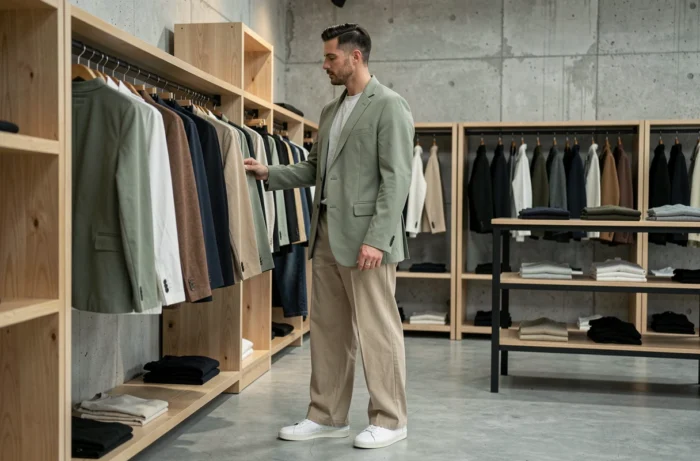
Trending Colors and Materials: What the Runways Translate into Wardrobes
Red stands out as the key color. Seen on the spring-summer runways in all its variations (vermilion, light burgundy, orange-red), it works well as a statement piece or as an occasional accessory.
Leather, on the other hand, is stepping out of its winter register. Light leather is now worn as skirts, shirts, or dresses all year round. Soft finishes and thin thicknesses allow it to be integrated into mid-season outfits without feeling constricting. It’s a change of status: leather is transitioning from a seasonal material to a permanent wardrobe staple.
In terms of materials, fine knits and fluid fabrics (viscose, lyocell) remain reliable choices for dresses and wide pants. These materials move with the body, making them versatile from the office to an evening out.
Pairing Colors Without a Taste Faux Pas
The classic trap is to adopt a trendy color from head to toe. A strong piece in red or leather makes a greater impact when the rest of the outfit remains understated (off-white, beige, black, heather gray). One statement piece per outfit is enough to anchor the style in the season.
Circular Fashion and Second-Hand: An Underestimated Style Lever
Second-hand is no longer a budget compromise. A pan-European report indicates that 58% of Generation Z and 54% of millennials have purchased second-hand clothing in the past twelve months. This practice is growing across all age groups.
In terms of style, second-hand offers an advantage that new items cannot replicate: access to out-of-catalog pieces. A structured jacket from a past collection, a patinated leather bag, a dress that cannot be found in stores brings a uniqueness that is impossible to achieve by only buying the latest trends.
Criteria for Choosing Second-Hand Wisely
- Check the condition of seams and closures, which are the first indicators of a garment’s real durability
- Favor natural materials (wool, thick cotton, silk) that age better than synthetics and maintain their shape after several wear cycles
- Focus on structuring pieces (blazer, coat, midi skirt) rather than easily found basics in new
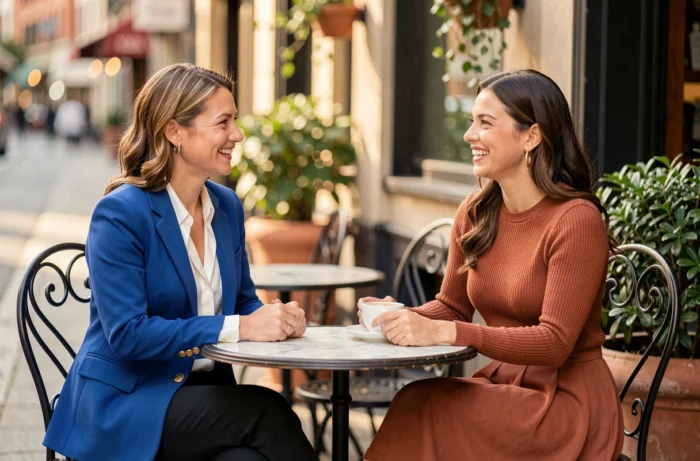
AI-Assisted Personalization: How Technology Redefines Style Choices
Artificial intelligence applied to fashion goes beyond simple product recommendations. According to data reported by Statista, about 70% of consumers interact with AI-driven systems during their online shopping. These tools cross-reference browsing history, shopping habits, and contextual data (weather, schedule) to suggest suitable pieces.
The interest in asserting one’s style lies in these systems’ ability to identify piece combinations that the user might not have considered alone. An algorithm can suggest a complementary pant cut to a jacket already owned or spot a color that harmonizes with the rest of the wardrobe.
Limitations to Keep in Mind
These tools remain calibrated on majority trends. They optimize coherence but can smooth out the rough edges that make a personal style unique. Using AI as a pre-selection filter, not as a final decision-maker, allows for time savings without sacrificing individuality.
- Test the suggested color combinations proposed by the platforms, then adjust according to personal preferences for cut and texture
- Cross-reference algorithmic recommendations with vintage or second-hand pieces to break the uniformity of the suggested wardrobe
- Keep at least one “off-algorithm” piece per outfit, chosen solely by instinct, to maintain a personal touch
This season’s fashion trends can be summed up in an operational principle: fewer pieces, better chosen, better combined. Textile layering, light leather, second-hand, and AI personalization tools are four concrete levers for crafting a style that lasts the season without accumulating unnecessary purchases. The trendiest garment remains the one that integrates with what one already owns.