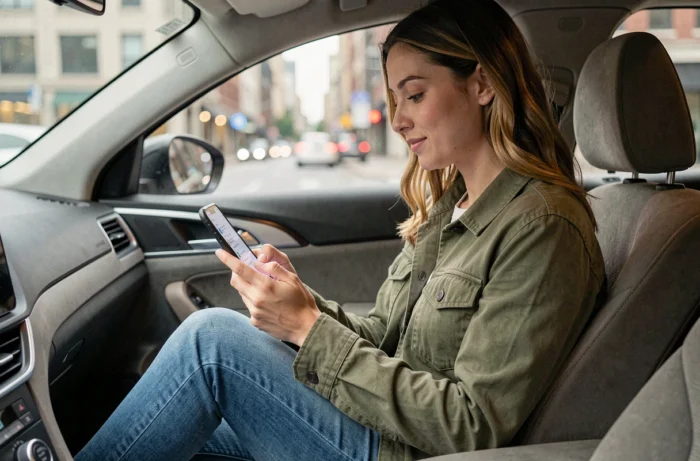
Sharing a ride to work or crossing France on a weekend seems simple. However, not all carpooling apps target the same uses, and user feedback in 2024 reveals clear discrepancies between platforms. Understanding these differences allows you to choose the app that truly fits your travel needs.
How financial incentives change the user experience
Comparisons focus on the visible features of the apps: interface, number of available rides, rating system. They often overlook a factor that heavily influences satisfaction: financial aids condition the perceived experience.
The sustainable mobility package, for example, can reach 900 euros per year in the private sector and 300 euros for public agents. These amounts are exempt from taxes and social contributions. When an employer activates this scheme, users rate their carpooling app much more favorably because the financial gain becomes tangible.
Conversely, the national bonus of 100 euros paid to new short-distance carpool drivers was eliminated on January 1, 2025. This incentive had encouraged many drivers to try out everyday platforms. Its disappearance reduces the motivation to post short rides, which may explain some negative feedback regarding the lack of local offerings.
Before blaming an app, check if your employer offers the sustainable mobility package: it changes the game. User reviews on carpooling apps confirm that satisfaction depends as much on the financial context as on the app itself.
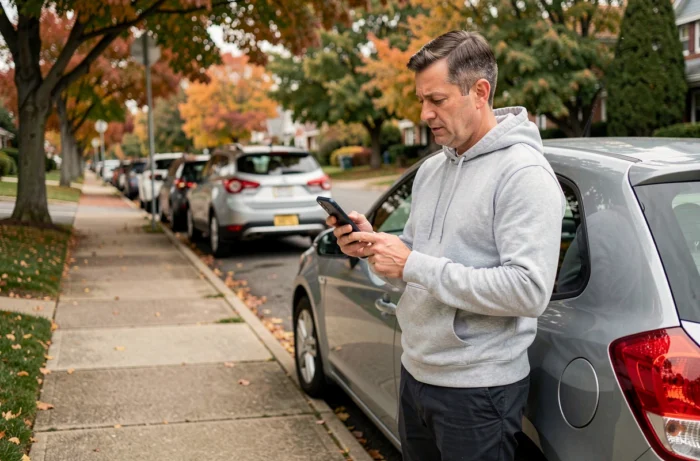
BlaBlaCar in 2024: mixed reviews between long-distance and daily commutes
BlaBlaCar remains the most used platform in France, with a massive community and a wide coverage of rides. For trips of several hundred kilometers between medium-sized cities, the density of the offering makes a difference. You will almost always find a driver on the main routes.
Positive reviews praise the simplicity of booking and the identity verification system. Secure online payment and rated profiles provide reassurance, especially for a first carpooling experience. The integration of BlaBlaCar Bus also broadens options when no driver is available.
Criticism focuses on two recurring points:
- The commission charged by the platform, considered high by regular drivers who feel their cost-sharing margin is shrinking.
- The lack of flexibility on less frequented routes or during off-peak days, where the offering significantly dwindles.
- The BlaBlaCar Daily extension, aimed at home-work trips, struggles to compete with apps specialized in this niche in terms of responsiveness.
BlaBlaCar excels in long-distance travel but disappoints in daily commutes. For a Paris-Lyon trip on a Friday evening, it’s a safe bet. For a twenty-kilometer round trip from home to office every morning, other options deserve your attention.
Carpooling for home-work commutes: Karos versus local solutions
Do you make the same trip five days a week? This is a very different use of carpooling compared to occasional rides, and the apps dedicated to it operate differently. Karos, for example, uses an algorithm that detects your travel habits to automatically suggest matches with nearby drivers or passengers.
The model without active searching appeals to busy users. There’s no need to post a ride every morning: the app suggests pairings based on your actual schedules. Feedback on the Google Play Store highlights this practicality, but also limitations related to user density in certain areas.
Because the Achilles’ heel of daily carpooling remains the same for all platforms: without a critical mass of drivers in your area, the app remains empty. Karos works well in partner municipalities that subsidize the service. Outside these areas, the experience can be frustrating.
Criteria to check before choosing a daily app
Rather than comparing interfaces, focus on three concrete elements:
- The actual geographical coverage around your route, not the total number of users of the platform at the national level.
- The existence of a partnership between the app and your local authority or employer, which generates local incentives and thus more active drivers.
- The commission model: some platforms do not charge any fees on subsidized short rides, which changes the calculation for both the driver and the passenger.

Commission, free service, and cooperative model: the impact on reviews
The economic model of a carpooling app directly influences the tone of the reviews. BlaBlaCar charges a commission on each transaction, which ensures solid customer service and technical infrastructure. Users accept this cost when the offering is abundant.
Platforms like Mobicoop have attempted a commission-free model based on an associative and cooperative logic. The absence of commission attracts price-sensitive users but weakens the sustainability of the service. The cooperative model is appealing in principle, but feedback often mentions a less developed interface and a more limited number of available rides.
This divide between a well-equipped paid service and a free but limited alternative appears in most reviews. There is no universal answer: it all depends on the frequency of your trips and your tolerance for service fees.
Reserved lanes and infrastructure: an underestimated factor in reviews
Improvements in infrastructure, such as reserved lanes for shared vehicles on certain urban routes, play an increasing role in the adoption of daily carpooling. A faster trip thanks to a dedicated lane changes the perception of the app used, even if the platform itself has not changed.
The most positive user feedback in 2024 often comes from areas where these developments exist. The app is just one link in the chain: the quality of the trip, financial incentives, and road infrastructure weigh as heavily as the ergonomics of the interface.